places
Western Thousand Buddha Caves: A Dunhuang Grotto Guide
Understand the Western Thousand Buddha Caves west of Dunhuang, their relationship to Mogao and the practical tradeoffs of adding them to a trip.
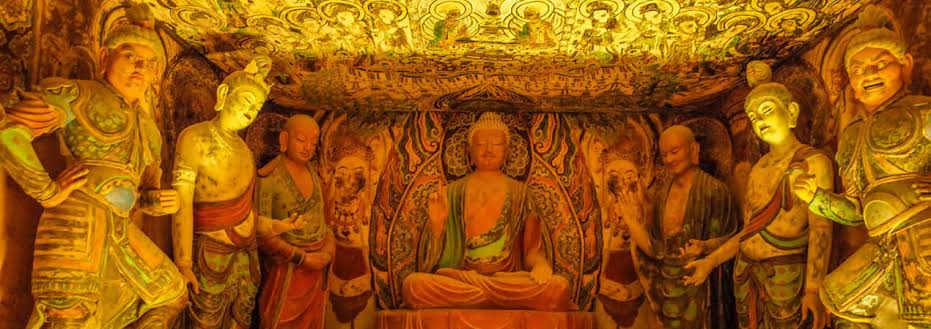
A smaller cave complex west of Dunhuang
The Western Thousand Buddha Caves are cut into cliffs along the Dang River west of the city. Their English name can create confusion: they are neither the western end of Mogao nor a promise that one thousand caves survive. They are a distinct grotto group within the broader Dunhuang cultural region.
Why visit after Mogao
The smaller scale changes the encounter. Visitors can compare how cave building and mural programs developed across different sites, patrons and periods. The river-cliff setting also makes the environmental logic of rock-cut sanctuaries more visible.
Mogao remains the priority for a first-time traveler. Add this site when you have a deeper interest in art history or when its location fits a carefully planned route toward Yang Pass.
What not to assume
The number of caves open to visitors can change. A ticket does not mean every historically important cave is accessible, and a photograph online may show a cave closed for conservation. Verify the current standard visit and interpretation language before traveling.
Western Thousand Buddha Caves or Yulin Caves?
Choose the Western Thousand Buddha Caves when your route already travels west or southwest of Dunhuang and you want a compact comparative grotto visit. Choose Yulin Caves when you can dedicate a longer day east toward Guazhou and want a major mural-focused excursion.
Neither should be reduced to “Mogao without crowds.” Each has its own history, setting and conservation limits.
Practical and conservation notes
Confirm transport, admission, operating days and road conditions shortly before departure. Follow all rules on photography, lighting and touching surfaces. Bring water and sun protection for the journey, but leave food and drinks outside protected interiors.
Build a meaningful route
If combining the caves with Yang Pass, allow enough time to distinguish Buddhist cave history from Han frontier history. More stops do not automatically create more understanding. Prepare with our Dunhuang murals guide and review the full Dunhuang travel guide.
Questions people ask
What are the Western Thousand Buddha Caves?
They are a separate group of Buddhist rock-cut caves west of Dunhuang, created in cliffs along the Dang River and historically connected to the wider Dunhuang grotto tradition.
Are they the same as the Mogao Caves?
No. Mogao and the Western Thousand Buddha Caves are distinct sites. Mogao is much larger and remains the essential first cave visit.
Can the Western Thousand Buddha Caves be combined with Yang Pass?
They may fit some western or southwestern route plans, but current access, driving time and the number of open caves must be confirmed before treating the combination as fixed.