places
Yumen Pass Near Dunhuang: History and Western-Route Guide
Understand Yumen Pass, or Jade Gate Pass, as a Han frontier landscape and plan its place in a western-route day from Dunhuang.
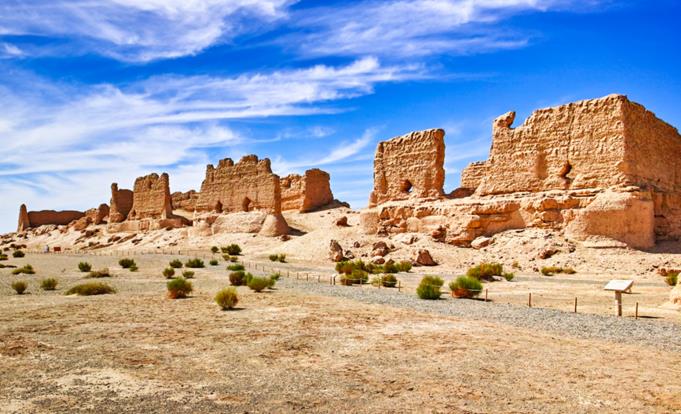
Why the Jade Gate matters
Yumen Pass is not a monumental gate in the modern sense. It belongs to a wider frontier system through which people, messages and goods moved between Han territories and regions farther west. Its power comes from the remaining structure, archaeological setting and immense dry landscape considered together.
The English name “Jade Gate Pass” reflects its association with jade entering from the west, though compact origin stories should be treated cautiously. What is clear is that passes and defensive installations helped organize movement across a demanding border environment.
What you see
The surviving earthen remains can appear modest beside the scale of the Gobi. That contrast is the point. Look for construction material, sightlines and the relationship between the structure and routes through open terrain. A guide with archaeological and historical knowledge adds more value here than dramatic legends.
Do not climb, touch or remove material from ruins. Wind and dryness do not make earthen heritage indestructible.
How Yumen Pass fits a Dunhuang itinerary
Place Yumen Pass on a dedicated western-route day, usually after the core Mogao and Mingsha–Crescent Lake experiences. The trip west covers substantial distance and may be combined with other frontier or geological stops. Fewer stops with time to understand them usually produce a better day.
Before booking, ask for the exact route, vehicle type, operator credentials, pickup time, admission inclusions, meal plan and estimated return. Opening arrangements and permitted routes can change, so current official or local confirmation outranks an old blog itinerary.
Yumen Pass or Yang Pass?
Both names belong to Dunhuang’s frontier history, but they are different places. A rushed visitor should not treat them as interchangeable photo stops. Choose based on the historical story you want to follow, the day’s route and current access. If a tour promises both plus several distant attractions, examine how much time remains at each site.
What to bring
Expect exposure to sun, wind and changing temperatures. Carry water, sun protection, a layer, sturdy walking shoes and offline booking details. Follow current warnings; a remote landscape is not the place to improvise during difficult weather.
Connect the visit to Dunhuang’s Silk Road crossroads and use our three-day itinerary to give the western route enough space.
Questions people ask
What is Yumen Pass?
Yumen Pass, commonly translated as Jade Gate Pass, refers to a Han-era frontier gateway associated with routes west from the Dunhuang region. The visit is as much about archaeology and landscape as a single surviving structure.
Is Yumen Pass worth visiting from Dunhuang?
It is worthwhile for travelers interested in frontier history and the physical scale of Silk Road movement. With a short trip, prioritize Mogao Caves and the nearby desert first because Yumen Pass requires a longer excursion.
Can Yumen Pass and Yardang be visited on the same day?
They are often combined in western-route plans, but distances, access and daylight must be checked for the actual date. Confirm the route and return time with a legal operator rather than assuming every advertised combination is comfortable.
Sources & further reading
- Silk Roads: the Routes Network of Chang'an-Tianshan Corridor — UNESCO World Heritage Centre