places
Dunhuang Yardang: Gobi Landforms and Western-Route Guide
Learn what yardang landforms are, why the Dunhuang Gobi landscape is called a ghost city, and how to plan a remote western-route visit.
What makes the landscape different
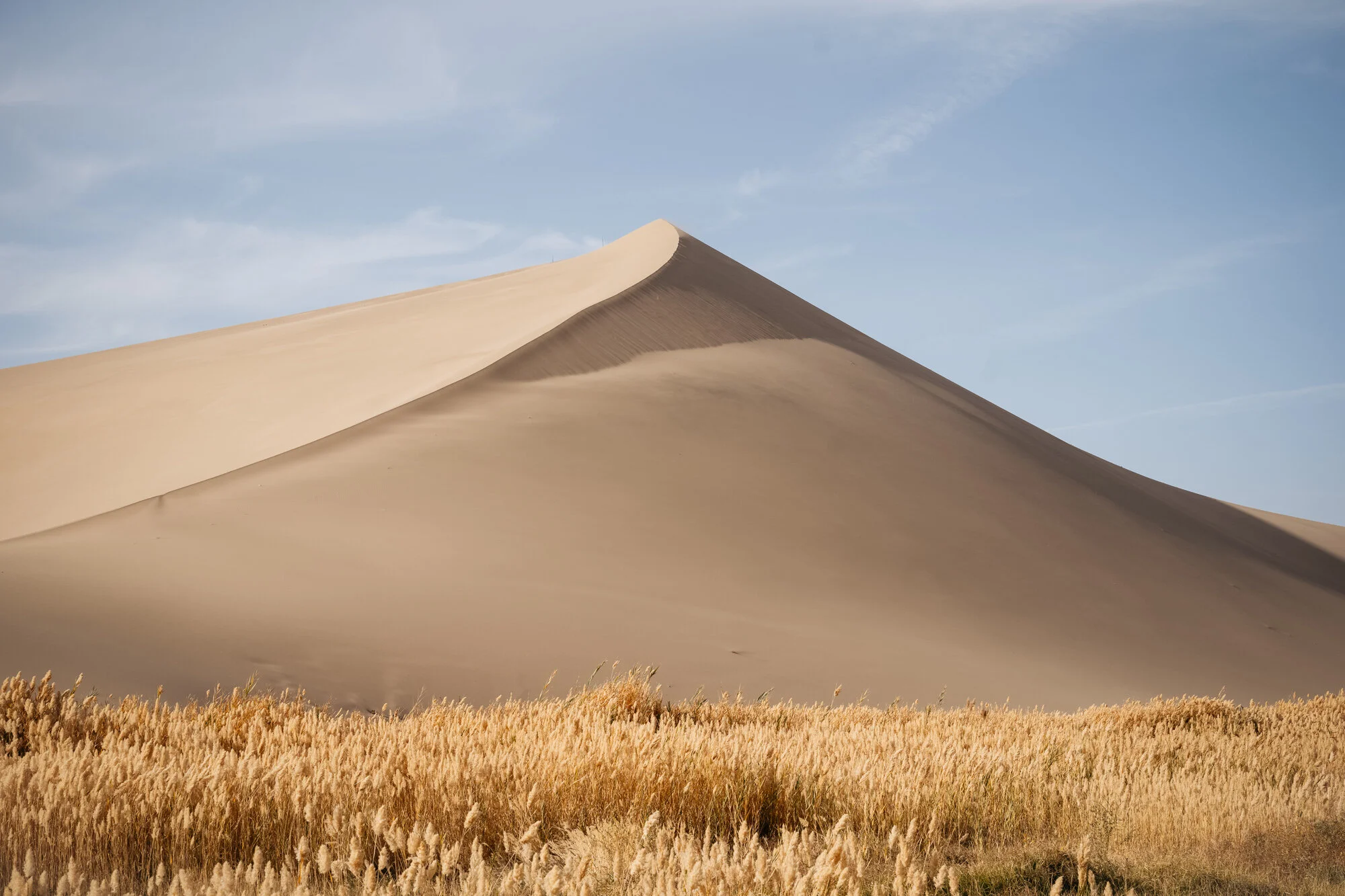
Dunhuang’s yardang terrain is not a field of sand dunes. It is an erosional landscape shaped over long periods as wind works on exposed, relatively soft deposits. Harder portions remain as ridges, walls and isolated forms while weaker material is removed.
The “Ghost City” name
Tour descriptions often call the area a ghost city because the formations suggest buildings or streets and because wind in a remote landscape can feel uncanny. The comparison is imaginative. The formations are geological, not the ruins of an urban settlement.
Why distance changes the decision
The yardang area lies far from central Dunhuang and should be treated as a major excursion. A route may be sold together with Yumen Pass and other frontier remains. Ask how much time is spent driving, how long each stop receives and whether the return occurs after dark.
For a first visit of only two days, Mogao Caves and the Mingsha–Crescent Lake landscape usually provide a stronger introduction. Add Yardang on a three-day itinerary or longer trip.
What to observe
Look at the direction of ridges, the repeated spacing between forms, differences in height and the way light changes their apparent shape. Named formations can help orientation, but they should not replace understanding the erosional process.
Safety and responsible access
Remain with authorized routes and vehicles. Do not walk into closed terrain or climb formations for photographs. Mobile coverage, shade, water and rescue access can be limited. Wind, dust and extreme temperatures materially change the risk.
Confirm the vehicle, driver, water plan, weather policy and expected return before departure. Carry offline details and follow local closures. The Dunhuang sandstorm guide explains why protective clothing is not a substitute for changing plans.
Build context before the drive
Pair the geology with the human geography of Yumen Pass and Dunhuang’s Silk Road routes. The contrast between ancient movement and slow geological time is what makes the western landscape more than a collection of scenic stops.
Questions people ask
What is a yardang?
A yardang is a streamlined ridge or isolated landform sculpted from relatively soft material by wind erosion and abrasion. Groups of them can resemble streets, towers or fleets when viewed from different angles.
Why is Dunhuang Yardang called Ghost City?
The nickname comes from the landforms' city-like silhouettes and the unsettling sounds or atmosphere associated with wind across the remote Gobi. It is a modern descriptive name, not evidence of a lost inhabited city.
Can I visit Dunhuang Yardang in half a day?
The site is remote and commonly forms part of a long western-route excursion. A half-day assumption may understate driving and visitor time; confirm the actual route and daylight before booking.