places
Dunhuang Lotus Symbol: Meaning, Art and a Modern Practice
Explore the lotus in Dunhuang Buddhist art, its historical visual role, and a clearly labeled contemporary practice for lotus-inspired jewelry.
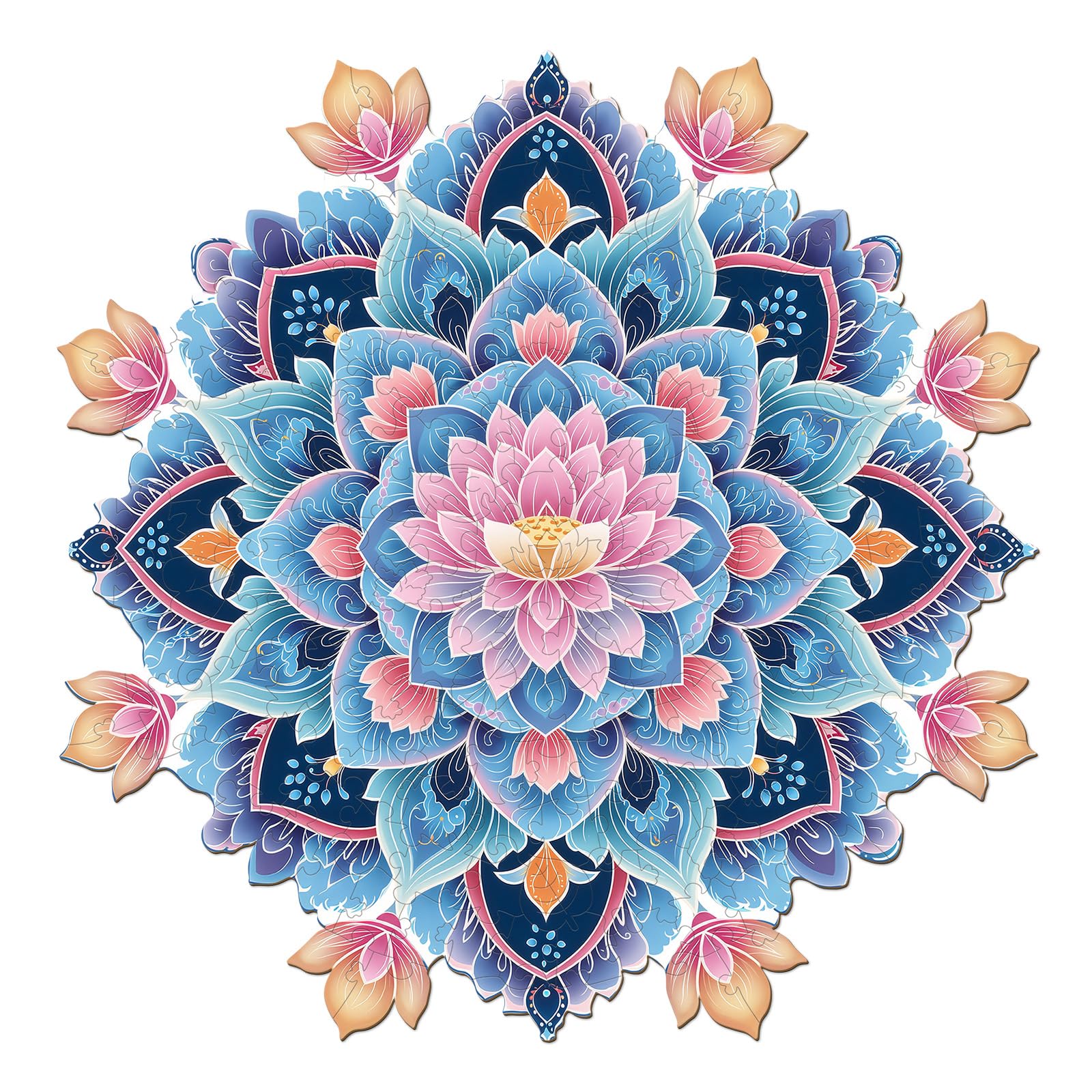
A flower that carries a visual world
Lotus forms appear across Buddhist art: under seated figures, around celestial scenes, inside patterned ceilings and through decorative borders. At Dunhuang, a lotus is part of a larger visual language of devotion, cosmology, ornament and patronage. It deserves to be seen in that context.
What can be said responsibly
The flower’s presence is documented; one fixed meaning for every lotus is not. A careful reading asks where it appears, which figures surround it and what the cave composition is doing. This is more useful than treating the lotus as a universal token that guarantees purity, love or luck.
A modern reflection: returning to the center
Dunhuang Within uses the lotus as a contemporary prompt for return: pause, notice what is present, and choose one next action. That is a present-day practice inspired by looking closely at a historical tradition, not a claim about an ancient energy system.
For a lotus pendant or bracelet, choose a design that names its visual inspiration, avoids pretending to be a sacred relic, and feels comfortable enough to touch during an ordinary day. Continue with lotus jewelry meaning or the Dunhuang spiritual jewelry guide.
Questions people ask
What does the lotus mean in Dunhuang art?
The lotus appears in Buddhist visual settings as a floral and devotional motif. Its precise meaning depends on the individual image, period and context rather than one universal slogan.
Is lotus jewelry an ancient Dunhuang practice?
A contemporary lotus pendant or bracelet is not automatically an ancient Dunhuang practice. It can be honestly described as modern jewelry inspired by Buddhist and Dunhuang visual traditions.
Sources & further reading
- Digital Dunhuang — Dunhuang Academy