places
Protection Symbols in Dunhuang Art: What They Can and Cannot Promise
A careful guide to protective figures, guardians and symbols in Dunhuang art, separating documented religious context from modern protection jewelry claims.
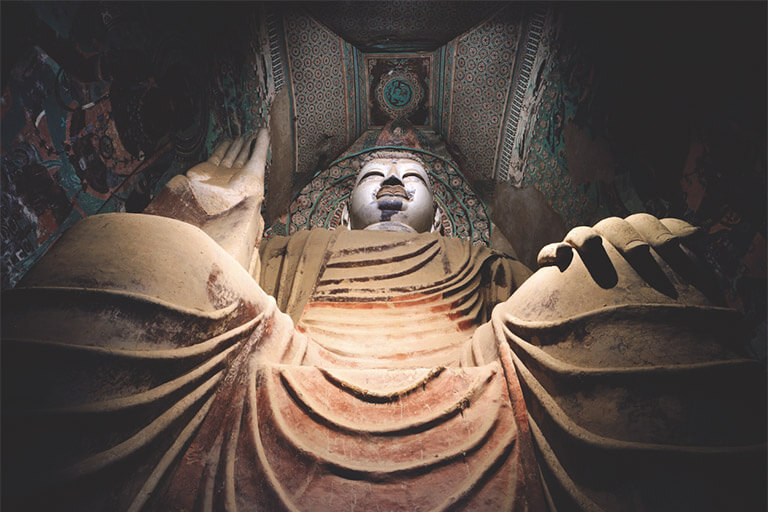
Protection is not one symbol
At the Mogao Caves, Buddhist figures, attendants, guardians, donors and patterned spaces are parts of complex religious images. Their roles cannot be reduced to a generic promise that an image will protect the wearer from every risk.
From sacred setting to modern object
A responsible contemporary design begins by identifying the source and its setting. Then it states its own purpose plainly: perhaps a wearable reminder to move with care, keep a boundary, or return to courage. This is symbolic support, not insurance and not medical treatment.
Choosing protection-inspired jewelry with care
Ask three questions: Is the source named? Is the religious language accurate? Does the seller avoid guarantees about destiny, safety or health? If those answers are unclear, the design may be using cultural imagery as decoration without responsibility.
Read the responsible Buddhist-inspired jewelry guide and Dunhuang spiritual jewelry guide before choosing an object of intention.
Questions people ask
Are Dunhuang symbols protective?
Dunhuang art includes Buddhist figures and visual programs with religious significance. A modern object inspired by them should not claim to guarantee safety, luck or supernatural protection.
Can a Buddhist pendant be called blessed?
Only when there is a real, documented blessing process. A motif, a product description and a formal religious consecration are different things.
Sources & further reading
- Digital Dunhuang — Dunhuang Academy